Mega-Throughput Screening of Large OBOC Non-Natural Peptide Libraries Using Fiber Optic Array Scanning Technology
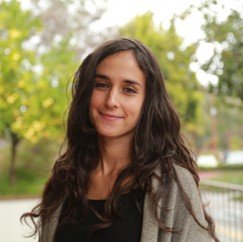
Michal Avital-Shmilovici
Senior Scientist and Research Lead, SRI International
Accessing chemical diversity in the discovery of new peptide sequences as affinity reagents and therapeutics has been greatly accelerated with biologic screening tools such as phage display. Extension in to modified amino acids through the random nonstandard peptide integrated discovery (RaPID) system which integrates genetic code reprogramming with mRNA display technology enables screening of increasingly non-natural polymers. While both methods facilitate the synthesis and screening of massive libraries (10^7-12) such systems are still largely confined to alpha-amino acid backbones. To access more chemically diverse non-natural polymers the one-bead-one-compound (OBOC) method offers the greatest synthetic flexibility and can in principle enable the production of very large libraries, but in practice is generally limited to libraries of 10^4-6 due to cost of synthesis, limitations in screening throughput and the lack of generalizable sequencing tools for non-alpha amino acid backbone polymers. We describe a new methodology that enables the production and screening of OBOC libraries of natural and non-natural peptides up to 50+ residues in length comprising 10^7 to 10^9 compounds. Using a self-readable polymer design that facilitates sequencing sensitivity at fmol scale, libraries can be synthesized on 10 – 20 micron diameter beads to maximize library size while minimizing cost of synthesis. The screening method utilizes a Fiber-optic Array Scanning Technology (FAST), for screening against fluorescent labeled target molecules with an unprecedented throughput of 5 million beads per minute. We have used this approach to identify affinity reagents and PPI inhibitor hits with nanomolar affinities for challenging targets such as KRAS, IL6 and TNFï¡. We have also demonstrated the ability to find protein-glycan interaction competitors in the discovery of novel non-natural peptide carrier molecules for the glycan receptor Asialoglycoprotein Receptor 1 (ASGPR1) for hepatic drug delivery. Recent work on the discovery of affinity agents for the S1 protein of SARS_CoV2 as a means to develop new neutralizing therapeutics will also be presented.
Dr. Michal Avital-Shmilovici received her PhD in Chemistry from the University of Chicago under the supervision of Professor Stephen Kent, working in chemical synthesis of natural and non-natural proteins. She used modern solid-phase peptide synthesis, native chemical ligation and folding methods to improve understanding of the biology behind large molecule drugs and advance progress in the development of therapeutics.
In 2015, Michal joined the Biosciences Division at SRI International to help establish the Technein Discovery Platform. This platform, based around SRI’s Fiber-optic Array Scanning Technology (FAST), enables the rapid discovery of protein-like synthetic molecules (called TechneinsTM) to be used as therapeutics, diagnostics and targeted delivery agents. As a Principal Scientist, she currently leads the Technein Discovery Platform program and has discovered a pipeline of high-affinity Techneins that are being developed against a wide range of targets for both therapeutic and diagnostic applications.
The Boulder Peptide Foundation was established to further the science and knowledge of peptide technology to develop novel therapeutics, biomaterials, medical diagnostics and other beneficial uses for mankind. As part of this goal we run several programs to support career advancement, seminars and educational events. Join us on our mission to expand the applications of peptide science.
The purpose of the Boulder Peptide Symposium is to encourage sharing of information related to peptide therapeutic development with an emphasis on the technical, scientific and regulatory aspects of the pharmaceutical development. Presentations that demonstrate original thinking or share experiences from case studies in product development shall receive priority over others.
The Boulder Peptide Symposium offers multiple opportunities for participants to present.
The session topics for Scientific Program are Peptides in the Clinic, Drug Delivery, Chemistry of Complex Peptides, Spotlight on Discovery, and Peptide Showcase. Abstracts may be submitted via the Apply to Present page on the website. Submissions will be reviewed by the Scientific Advisory Board on a monthly basis and the speaker will be notified of a decision.
Presentation length: Format is 25-30 minutes slide presentation with 5-10 minutes for Q&A, with the exception of Peptide Showcase talks which are 10 minute slide presentations with 5 minutes for Q&A. Please confirm with your session chair to confirm the exact presentation length.
Invited Speakers: Speakers are requested to supply their presentation details 30 days after receiving an invitation to present.
Program Book Deadline: Final abstract and title must be provided no later than September 1st. No changes to the program are possible after this date.
Presentation Format: Oral presenters please provide your presentation slides to the A/V table on the day of your presentation.
Lodging: All speakers are requested to reserve their own room. Discount rates at the conference hotel are available until August 16th.
Registration: All speakers, excluding sponsored presentation speakers, receive a complimentary registration upon approval of the abstract.
The Peptide Showcase is an opportunity for an individual or company to “showcase” new ideas, technology and pipeline assets. Priority shall be given to presentations from biotech and startup companies. Service providers and vendors are not eligible. Speakers in the session receive a complimentary event registration.
Posters can be presented on any topic relevant to peptides including original research, innovative products and technologies.
Eligibility- Any attendee (from academia, industry, biotech or vendor/sponsor) can present a poster. The presentation must contain original scientific thinking. To submit a poster go to the Submit a Poster link from the meeting menu. All submissions are reviewed on a rolling basis and will be notified of approval. September 1st is the last day to submit a poster abstract. Approved posters are published on the BPF website.
A 30 ” x 40″ board shall be provided with thumb tacks. Board will be on an easel and can be rotated for either landscape or portrait formats. Once you apply for a poster, you will get email confirmation that your poster was accepted. The poster session and number assignments will be emailed one week before the Symposium.
Poster boards shall be available for display from 8am to 8pm the day of your assigned poster session. See the program agenda for the poster session schedule.
Every presentation at the Boulder Peptide Symposium is automatically recorded. Speakers are required to give consent for sharing of the presentation video with the peptide community.