BPS 2023


Venom-inspired design of novel peptide drug leads for diabetes and pain

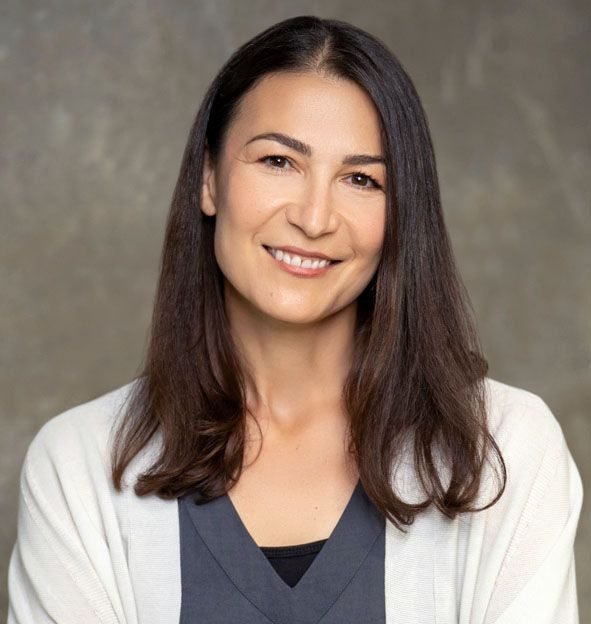
Helena Safavi-Hemami

Associate Professor, University of Utah

ABSTRACT

Peptide hormones and neuropeptides, collectively referred to as signaling peptides, play critical roles in human health and disease and are important molecules for drug development. However, several biophysical properties severely limit the usefulness of native signaling peptides as therapeutics. These include poor in vitro and in vivo stability and lack of selectivity for receptors that belong to closely related families. Optimized by millions of years of evolution, venomous animals have generated toxins that mimic the endogenous signaling peptides of their prey and predators. Because of their streamlined role in manipulating the physiology of another organism, these “doppelganger toxins” exhibit several advantageous properties that render them ideal candidates for drug development. Here, I will give an overview of the diversity of doppelganger toxins in venomous cone snails and highlight how our discovery of toxins that mimic insulin and somatostatin inspired the design of new drug leads for diabetes and pain.

BIO

Helena Safavi is an Associate Professor of Biochemistry at the University of Utah in Salt Lake City. Dr. Safavi studied biology at the University of Cologne (Germany) and the Australian Institute of Marine Sciences in Townsville (Australia). She obtained her PhD in Biochemistry and Molecular Biology at the University of Melbourne (Australia) in 2011 where she was trained in the transcriptomics and proteomics identification of bioactive peptides from animal venoms under the supervision of Prof. Anthony Purcell. Following her PhD studies Dr. Safavi received a Marie Curie Postdoctoral Fellowship to conduct a joined research project on the large-scale identification and biomedical characterization of peptide toxins and biosynthetic enzymes with Lars Ellgaard at the University of Copenhagen (Denmark) and Toto Olivera at the University of Utah (USA). During this time, she discovered that predatory cone snails use insulin-like toxins to induce dangerously low blood sugar in their fish prey, a discovery that inspired the design of new fast-acting insulin drug leads for the treatment of diabetes. Having had broad training in the characterization of bioactive peptides from animal venoms, her independent research focuses on the identification of hormone-like toxins as drug leads for the treatment of diabetes and pain. Her group’s recent findings on a novel class of somatostatin-like toxins elucidated an ancient origin of the somatostatin signaling system in animals and has led to the design of several stable and selective somatostatin analogs that provide analgesia in mouse models of acute and chronic pain.

Information for BPS Presenters

The Boulder Peptide Foundation was established to further the science and knowledge of peptide technology to develop novel therapeutics, biomaterials, medical diagnostics and other beneficial uses for mankind. As part of this goal we run several programs to support career advancement, seminars and educational events. Join us on our mission to expand the applications of peptide science.

Information for BPS Presenters

The purpose of the Boulder Peptide Symposium is to encourage sharing of information related to peptide therapeutic development with an emphasis on the technical, scientific and regulatory aspects of the pharmaceutical development. Presentations that demonstrate original thinking or share experiences from case studies in product development shall receive priority over others.

The Boulder Peptide Symposium offers multiple opportunities for participants to present.

Oral Presentations in Scientific Sessions

The session topics for Scientific Program are Peptides in the Clinic, Drug Delivery, Chemistry of Complex Peptides, Spotlight on Discovery, and Peptide Showcase. Abstracts may be submitted via the Apply to Present page on the website. Submissions will be reviewed by the Scientific Advisory Board on a monthly basis and the speaker will be notified of a decision.

Presentation length: Format is 25-30 minutes slide presentation with 5-10 minutes for Q&A, with the exception of Peptide Showcase talks which are 10 minute slide presentations with 5 minutes for Q&A. Please confirm with your session chair to confirm the exact presentation length.

Invited Speakers: Speakers are requested to supply their presentation details 30 days after receiving an invitation to present.

Program Book Deadline: Final abstract and title must be provided no later than September 1st. No changes to the program are possible after this date.

Presentation Format: Oral presenters please provide your presentation slides to the A/V table on the day of your presentation.

Lodging: All speakers are requested to reserve their own room. Discount rates at the conference hotel are available until August 16th.

Registration: All speakers, excluding sponsored presentation speakers, receive a complimentary registration upon approval of the abstract.

Peptide Showcase Description

The Peptide Showcase is an opportunity for an individual or company to “showcase” new ideas, technology and pipeline assets. Priority shall be given to presentations from biotech and startup companies. Service providers and vendors are not eligible. Speakers in the session receive a complimentary event registration.

Posters

Posters can be presented on any topic relevant to peptides including original research, innovative products and technologies.

Eligibility- Any attendee (from academia, industry, biotech or vendor/sponsor) can present a poster. The presentation must contain original scientific thinking. To submit a poster go to the Submit a Poster link from the meeting menu. All submissions are reviewed on a rolling basis and will be notified of approval. September 1st is the last day to submit a poster abstract. Approved posters are published on the BPF website.

A 30 ” x 40″ board shall be provided with thumb tacks. Board will be on an easel and can be rotated for either landscape or portrait formats. Once you apply for a poster, you will get email confirmation that your poster was accepted. The poster session and number assignments will be emailed one week before the Symposium.

Poster boards shall be available for display from 8am to 8pm the day of your assigned poster session. See the program agenda for the poster session schedule.

Public Release

Every presentation at the Boulder Peptide Symposium is automatically recorded. Speakers are required to give consent for sharing of the presentation video with the peptide community.