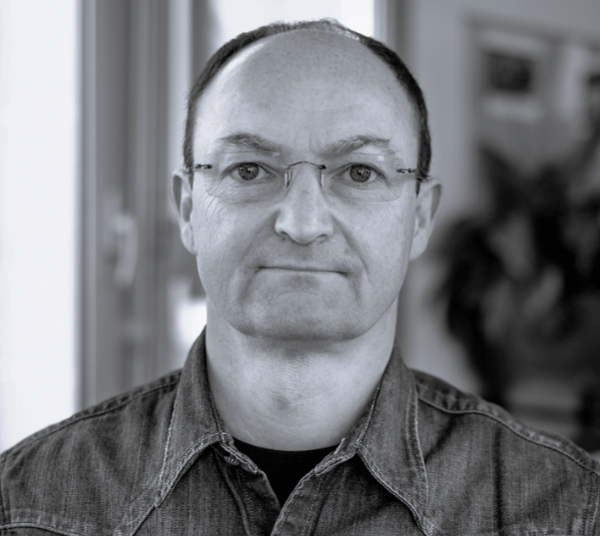
A snake peptide toxin for treatment of kidney diseases. From bench to bedside
Nicolas Gilles
senior researcher, CEA
The kidney regulates many physiological roles like water homeostasis, expertly managed by the vasopressin type 2 receptor (V2R). Positioned within the kidney’s collecting tubule, this membrane receptor responds to the peptide hormone, the vasopressin. The V2R activation triggers the generation of the secondary messenger cyclic adenosine monophosphate (cAMP). cAMP induces urine concentration in alignment with the body’s requirements.
Two pathological conditions, hyponatremia and polycystic diseases are addressed by blocking the V2R and since the 1980s, pharmaceutical enterprises developed the “vaptans”. Regrettably, the majority of vaptans exhibited hepatotoxicity concerns, and only the tolvaptan (Otsuka Pharma) is used but with many concerns, leaving millions of untreated patients.
Animal venoms are an extraordinary source of potent and natural peptide toxins. A comprehensive screening of venoms against the V2R led to the revelation of a novel cluster of snake toxins within the Kunitz-type peptide family. Among these, the MQ1 toxin emerged as a standout due to its remarkable pharmacological properties. Evaluation within rodent models of hyponatremia and polycystic diseases revealed its promise. Subsequent efforts involved refining the MQ1’s characteristics in term of risk of immunogenicity and affinity. The generated MQ232, a 57 residues peptide reticulated by 3 disulfide bridges and produce by solid phase synthesis, boasts a therapeutic window of over 100. With all the hallmarks of a groundbreaking solution, MQ232 is poised to address unmet medical needs.
Embarking on the path to clinical validation, the startup V4Cure, specializing in leveraging animal toxins within the cardio-renal axis, supports MQ232 into human assessment.
Full time researcher at the Department of Medicines and Technologies for Health, in the Toxins Receptors and Ion channels team. In charge of the identification and therapeutic development of animal toxins active on G-Protein Coupled Receptors for human benefit.
Dr. Nicolas Gilles is an expert in the study of animal toxins. He is pioneering the investigation of animal toxins acting on GPCRs, the largest therapeutic target class. His strongest expertise lies in therapeutic target identification and all the steps from venom manipulations, to in vivo validation. When the pharmacological properties of these new ligands are deemed exceptional, a lead optimization is realized and its therapeutic development initiates through a dedicated start-up. V4Cure, a CEA spin-off, is currently developing the V4C-232 for kidneys diseases.
The Boulder Peptide Foundation was established to further the science and knowledge of peptide technology to develop novel therapeutics, biomaterials, medical diagnostics and other beneficial uses for mankind. As part of this goal we run several programs to support career advancement, seminars and educational events. Join us on our mission to expand the applications of peptide science.
The purpose of the Boulder Peptide Symposium is to encourage sharing of information related to peptide therapeutic development with an emphasis on the technical, scientific and regulatory aspects of the pharmaceutical development. Presentations that demonstrate original thinking or share experiences from case studies in product development shall receive priority over others.
The Boulder Peptide Symposium offers multiple opportunities for participants to present.
The session topics for Scientific Program are Peptides in the Clinic, Drug Delivery, Chemistry of Complex Peptides, Spotlight on Discovery, and Peptide Showcase. Abstracts may be submitted via the Apply to Present page on the website. Submissions will be reviewed by the Scientific Advisory Board on a monthly basis and the speaker will be notified of a decision.
Presentation length: Format is 25-30 minutes slide presentation with 5-10 minutes for Q&A, with the exception of Peptide Showcase talks which are 10 minute slide presentations with 5 minutes for Q&A. Please confirm with your session chair to confirm the exact presentation length.
Invited Speakers: Speakers are requested to supply their presentation details 30 days after receiving an invitation to present.
Program Book Deadline: Final abstract and title must be provided no later than September 1st. No changes to the program are possible after this date.
Presentation Format: Oral presenters please provide your presentation slides to the A/V table on the day of your presentation.
Lodging: All speakers are requested to reserve their own room. Discount rates at the conference hotel are available until August 16th.
Registration: All speakers, excluding sponsored presentation speakers, receive a complimentary registration upon approval of the abstract.
The Peptide Showcase is an opportunity for an individual or company to “showcase” new ideas, technology and pipeline assets. Priority shall be given to presentations from biotech and startup companies. Service providers and vendors are not eligible. Speakers in the session receive a complimentary event registration.
Posters can be presented on any topic relevant to peptides including original research, innovative products and technologies.
Eligibility- Any attendee (from academia, industry, biotech or vendor/sponsor) can present a poster. The presentation must contain original scientific thinking. To submit a poster go to the Submit a Poster link from the meeting menu. All submissions are reviewed on a rolling basis and will be notified of approval. September 1st is the last day to submit a poster abstract. Approved posters are published on the BPF website.
A 30 ” x 40″ board shall be provided with thumb tacks. Board will be on an easel and can be rotated for either landscape or portrait formats. Once you apply for a poster, you will get email confirmation that your poster was accepted. The poster session and number assignments will be emailed one week before the Symposium.
Poster boards shall be available for display from 8am to 8pm the day of your assigned poster session. See the program agenda for the poster session schedule.
Every presentation at the Boulder Peptide Symposium is automatically recorded. Speakers are required to give consent for sharing of the presentation video with the peptide community.