Discovery of the Highly Potent and Orally Bioavailable Cyclic Peptide PCSK9 Inhibitor MK-0616
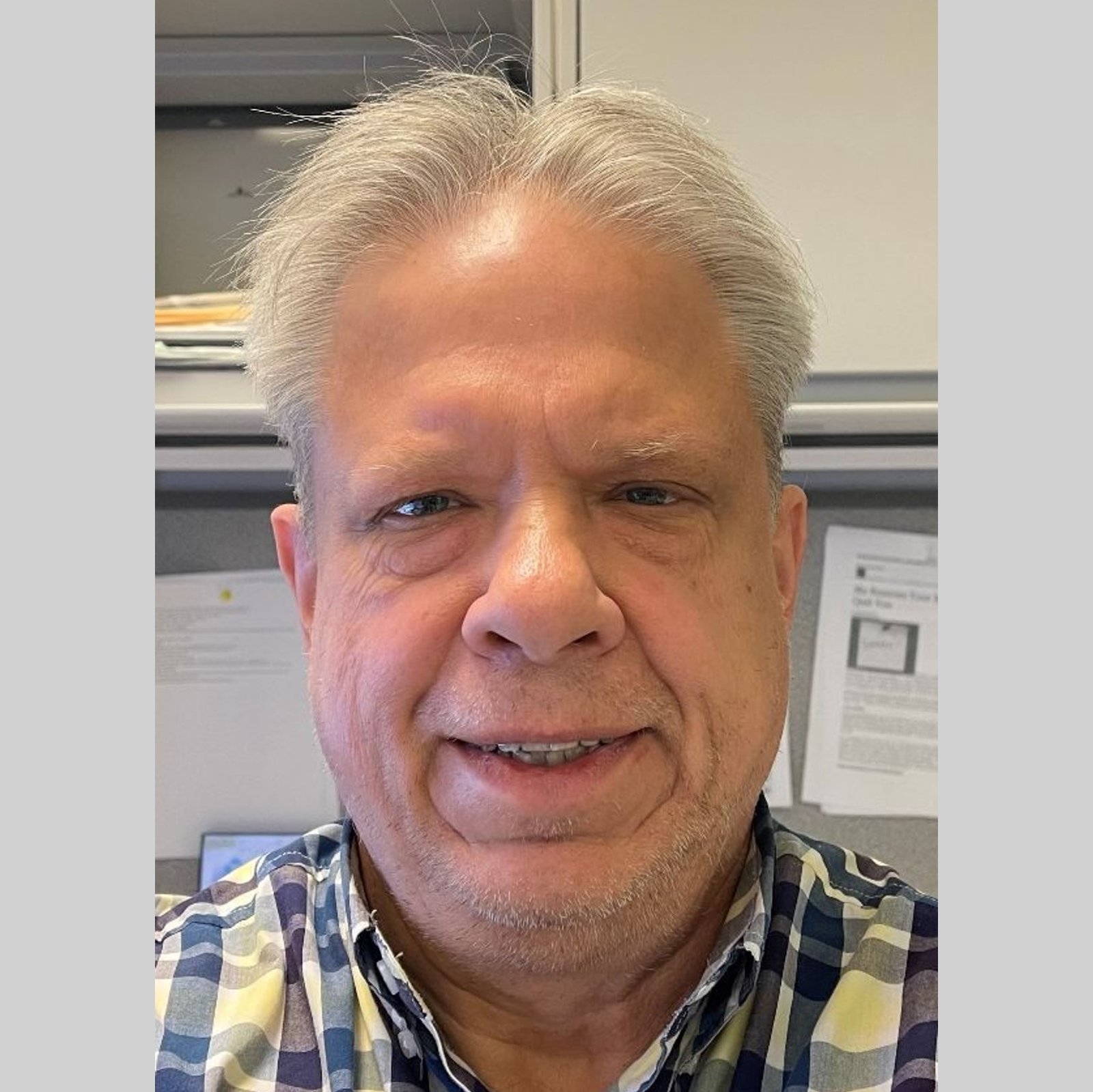
Tom Tucker
Principal Scientist, Merck and Co., Inc.
Modalities Chemistry Group, Department of Medicinal Chemistry, Merck & Co, Inc., West Point, PA 19486, USA
Proprotein convertase subtilisin-like/Kexin type 9 (PCSK9) is a clinically well-validated and critically important target for treating high LDL-cholesterol and potential coronary artery disease. Two antibody-based and one siRNA based anti-PCSK9 therapeutics have been approved by the FDA for treating high LDL-cholesterol levels and have demonstrated excellent clinical efficacy for lowering LDL levels and preventing adverse cardiac events. However, all of these therapies are parenterally delivered and to date an efficacious, orally dosed anti-PCSK9 therapeutic has not been approved. We focused our efforts on discovering and optimizing novel, orally bioavailable cyclic peptide agents based on leads derived from an mRNA display screening campaign. From the mRNA display screening, we were able to identify moderately potent inhibitor leads. Guided by structural data, we were able to optimize our early leads to enhance metabolic stability, potency, and engineer out several unfavorable off-target activities to provide advanced next generation development candidates. Using an enabled formulation-based approach, we demonstrated acceptable oral bioavailability and good overall pharmacokinetics for these molecules, and using a Target Engagement assay were able to build clear PK/PD relationships in primates. Final optimization of candidate molecules to address formulation-related issues led to the discovery of MK-0616, which is currently undergoing clinical investigation as an LDL-cholesterol-lowering agent. In this talk, we will detail the systematic optimization of these molecules guided by structural data, leading to the discovery of the clinical compound.
After completing my education, I joined the Medicinal Chemistry Department of Rorer Central Research (now a part of Sanofi-Aventis) in 1984. In 1989, I moved to Merck Research Laboratories in West Point, PA. I began my career at Merck working in the peptide/peptidomimetic space, transitioned into small molecule therapeutics for about 17 years, then moved on to conjugate based siRNA Delivery, and finally then back into the peptide drug discovery space in 2012. I am currently a Principal Scientist in the Peptide /Modalities Drug Discovery Team at MRL West Point. I am the author/co-author of over 50 publications, an inventor on over 70 patents, and have presented frequently at various external meetings. During my career, I have been directly associated with two molecules that have become FDA approved drugs, both in the HIV antiviral therapeutic space: the first-generation non-nucleoside reverse transcriptase inhibitor Stocrin™ / Sustiva™ (Efavirenz); and the second-generation non-nucleoside reverse transcriptase inhibitor Pifeltro™ (Doravirine). I also was a key contributor to the design and synthesis of MK-0616, an oral cyclic peptide therapeutic that is currently undergoing Ph 3 clinical trials. My current research interests are focused on the design and development of novel peptide therapeutics.
The Boulder Peptide Foundation was established to further the science and knowledge of peptide technology to develop novel therapeutics, biomaterials, medical diagnostics and other beneficial uses for mankind. As part of this goal we run several programs to support career advancement, seminars and educational events. Join us on our mission to expand the applications of peptide science.
The purpose of the Boulder Peptide Symposium is to encourage sharing of information related to peptide therapeutic development with an emphasis on the technical, scientific and regulatory aspects of the pharmaceutical development. Presentations that demonstrate original thinking or share experiences from case studies in product development shall receive priority over others.
The Boulder Peptide Symposium offers multiple opportunities for participants to present.
The session topics for Scientific Program are Peptides in the Clinic, Drug Delivery, Chemistry of Complex Peptides, Spotlight on Discovery, and Peptide Showcase. Abstracts may be submitted via the Apply to Present page on the website. Submissions will be reviewed by the Scientific Advisory Board on a monthly basis and the speaker will be notified of a decision.
Presentation length: Format is 25-30 minutes slide presentation with 5-10 minutes for Q&A, with the exception of Peptide Showcase talks which are 10 minute slide presentations with 5 minutes for Q&A. Please confirm with your session chair to confirm the exact presentation length.
Invited Speakers: Speakers are requested to supply their presentation details 30 days after receiving an invitation to present.
Program Book Deadline: Final abstract and title must be provided no later than September 1st. No changes to the program are possible after this date.
Presentation Format: Oral presenters please provide your presentation slides to the A/V table on the day of your presentation.
Lodging: All speakers are requested to reserve their own room. Discount rates at the conference hotel are available until August 16th.
Registration: All speakers, excluding sponsored presentation speakers, receive a complimentary registration upon approval of the abstract.
The Peptide Showcase is an opportunity for an individual or company to “showcase” new ideas, technology and pipeline assets. Priority shall be given to presentations from biotech and startup companies. Service providers and vendors are not eligible. Speakers in the session receive a complimentary event registration.
Posters can be presented on any topic relevant to peptides including original research, innovative products and technologies.
Eligibility- Any attendee (from academia, industry, biotech or vendor/sponsor) can present a poster. The presentation must contain original scientific thinking. To submit a poster go to the Submit a Poster link from the meeting menu. All submissions are reviewed on a rolling basis and will be notified of approval. September 1st is the last day to submit a poster abstract. Approved posters are published on the BPF website.
A 30 ” x 40″ board shall be provided with thumb tacks. Board will be on an easel and can be rotated for either landscape or portrait formats. Once you apply for a poster, you will get email confirmation that your poster was accepted. The poster session and number assignments will be emailed one week before the Symposium.
Poster boards shall be available for display from 8am to 8pm the day of your assigned poster session. See the program agenda for the poster session schedule.
Every presentation at the Boulder Peptide Symposium is automatically recorded. Speakers are required to give consent for sharing of the presentation video with the peptide community.