BPS 2025


Targeted innate immune stimulators as therapeutics

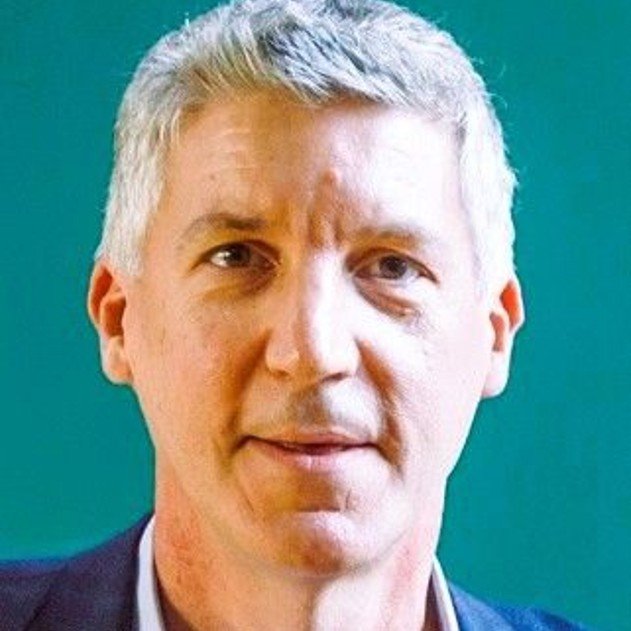
Christian Becker

Professor, University of Vienna

ABSTRACT

High-affinity monoclonal antibodies and antibody drug conjugates (ADCs) have evolved as highly successful class of therapeutics and have led to the development of antibody derivatives as well as other protein-based scaffolds that couple selective targeting with the stimulation of an (adaptive) immune response.1 Peptides themselves can also be potent drugs and bind with high affinity to cancer cells and are intermediate in size between antibodies and small molecules.2 Furthermore, chemical peptide synthesis and chemoselective ligations can be used to generate a variety of molecules with different numbers and combinations of binding moieties in a modular and homogeneous fashion. In several recent studies, we have designed and synthesized a suite of synthetic ‘immune system engagers’ (ISErs) that bind specifically to cell surface receptors on cancer cells and stimulate an immune response.3 To explore avidity and valency effects, we constructed ISErs bearing different numbers and combinations ‘binder’ peptides that target integrin α3 and ephrin A2 receptors linked via monodisperse PEG-based polymers to effector moieties that mimic bacterial danger signals.4 ISErs are able to activate human neutrophils after targeted binding to cancer cells and to elicit a cytokine response. The application of ISErs results in immune cell infiltration and can prevent tumor formation in guinea pig and mouse models. Such an anti-tumor activity and the direct synthetic accessibility of ISErs demonstrate that these compounds could be applied to a wide variety of cancer cell targets as well as towards other diseases with specific cellular markers. Conjugation of small molecule drugs, similar to established antibody-drug-conjugates (ADCs), is easily possible.5
References 1. Sliwkowski, M. X., Mellman, I. (2013) Science 341, 1192-1198 & Paul, S., Konig, M.F., Pardoll, D.M. et al. Nat Rev Cancer 24, 399-426 (2024).
2. Conibear, A. C., Schmid, A., Kamalov, et al. (2020) 27, 1174-1205 & Muttenthaler, M., King, G.F., Adams, D.J. et al. Nat Rev Drug Discov 20, 309-325 (2021)
3. Brehs, M., Potgens, A. J. G., Steitz, J., et al. (2017) Sci. Rep. 7, 17592 & Pötgens, A., Conibear, A.C., Altdorf, C., et al. (2019) Biochemistry, 58, 2642-2652.
4. Conibear, A. C., Potgens, A. J. G., Thewes, K., et al. (2018) ChemBioChem 19, 459-469 & Conibear, A.C., Thewes, K., Groysbeck, N., Becker, C.F. (2019) Front. Chem., 7, 113.
5. Conibear, A.C., Hager, S., Mayr, J., (2017) Bioconj. Chem. 28, 2429-2439.

BIO

Christian F.W. Becker studied chemistry at the University of Dortmund (Germany) and obtained his diploma in 1998. After receiving his PhD in 2001 from the same University he became a postdoctoral fellow with Gryphon Therapeutics in So. San Francisco (USA) from 2002 to 2003. He started his independent career as a group leader at the Max-Planck Institute in Dortmund, Germany in 2004 and was appointed as Professor for Protein Chemistry at the Technische Universität München in 2007. In 2011 he was a co-founder of Syntab Therapeutics and he became Professor and Head of the Institute of Biological Chemistry at the University of Vienna. Since 2024 he serves as Dean of the Faculty of Chemistry. His group develops and uses chemical as well as biochemical means to generate peptides and proteins with otherwise unattainable (posttranslational) modifications to address fundamental biochemical as well as biomedical and biotechnological challenges.

Information for BPS Presenters

The Boulder Peptide Foundation was established to further the science and knowledge of peptide technology to develop novel therapeutics, biomaterials, medical diagnostics and other beneficial uses for mankind. As part of this goal we run several programs to support career advancement, seminars and educational events. Join us on our mission to expand the applications of peptide science.

Information for BPS Presenters

The purpose of the Boulder Peptide Symposium is to encourage sharing of information related to peptide therapeutic development with an emphasis on the technical, scientific and regulatory aspects of the pharmaceutical development. Presentations that demonstrate original thinking or share experiences from case studies in product development shall receive priority over others.

The Boulder Peptide Symposium offers multiple opportunities for participants to present.

Oral Presentations in Scientific Sessions

The session topics for Scientific Program are Peptides in the Clinic, Drug Delivery, Chemistry of Complex Peptides, Spotlight on Discovery, and Peptide Showcase. Abstracts may be submitted via the Apply to Present page on the website. Submissions will be reviewed by the Scientific Advisory Board on a monthly basis and the speaker will be notified of a decision.

Presentation length: Format is 25-30 minutes slide presentation with 5-10 minutes for Q&A, with the exception of Peptide Showcase talks which are 10 minute slide presentations with 5 minutes for Q&A. Please confirm with your session chair to confirm the exact presentation length.

Invited Speakers: Speakers are requested to supply their presentation details 30 days after receiving an invitation to present.

Program Book Deadline: Final abstract and title must be provided no later than September 1st. No changes to the program are possible after this date.

Presentation Format: Oral presenters please provide your presentation slides to the A/V table on the day of your presentation.

Lodging: All speakers are requested to reserve their own room. Discount rates at the conference hotel are available until August 16th.

Registration: All speakers, excluding sponsored presentation speakers, receive a complimentary registration upon approval of the abstract.

Peptide Showcase Description

The Peptide Showcase is an opportunity for an individual or company to “showcase” new ideas, technology and pipeline assets. Priority shall be given to presentations from biotech and startup companies. Service providers and vendors are not eligible. Speakers in the session receive a complimentary event registration.

Posters

Posters can be presented on any topic relevant to peptides including original research, innovative products and technologies.

Eligibility- Any attendee (from academia, industry, biotech or vendor/sponsor) can present a poster. The presentation must contain original scientific thinking. To submit a poster go to the Submit a Poster link from the meeting menu. All submissions are reviewed on a rolling basis and will be notified of approval. September 1st is the last day to submit a poster abstract. Approved posters are published on the BPF website.

A 30 ” x 40″ board shall be provided with thumb tacks. Board will be on an easel and can be rotated for either landscape or portrait formats. Once you apply for a poster, you will get email confirmation that your poster was accepted. The poster session and number assignments will be emailed one week before the Symposium.

Poster boards shall be available for display from 8am to 8pm the day of your assigned poster session. See the program agenda for the poster session schedule.

Public Release

Every presentation at the Boulder Peptide Symposium is automatically recorded. Speakers are required to give consent for sharing of the presentation video with the peptide community.