

Virtual BPS

Virtual BPS

Virtual BPS are short, educational webinars meant to bring the latest in peptide research and clinical development to the scientific community. 

Sept 28 – Oct 01, 2026

2026 Boulder Peptide Symposium

The only confrence focused solely on the pharmaceutical development of peptide therapeutics

UPCOMING EVENT

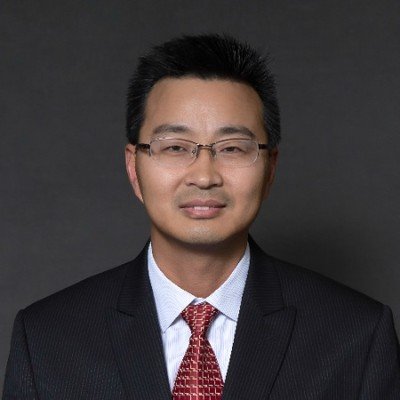
Our next webinar will be Tuesday, December 9th, starting at 12:00 p.m. (EST). Yingnan Zhang, Paula Flórez (both from Genentech) and Susana Vázquez Torres (National Centre for Cancer Research in Madrid) will each present on how they are using artificial intelligence (AI) to designs peptides for venom-derived therapeutics and cures for venom toxins. 

December 9, 2025, 12:00 PM-1:30 PM EST

Smart Poisons, Smart Cures: How AI Redefines Peptide Design

No Entries Found

All talks are vetted by our Scientific Advisory Board for relevance and represent the latest example of therapeutic peptide technologies or related translational research. The webinar typically consists of two talks followed by Q&A sessions with the audience.


VBPS events are usually held quarterly and no upcoming events have been announced at this time.

VBPS 2025

Anthony Silvestri

Head of Chemistry
Unnatural Products

Tales of macrocycle medchem: leveraging peptide discovery and optimization technologies

Andre Watson

Chairman and CEO
Ligandal

Attaining Precision, Cell-Specific Targeted Gene Delivery with Peptide Direct Conjugates (PDC)™

Paula Flórez

Postdoctoral Researcher
Genentech

Overcoming Library Instability: Computational Design of Phage Display Libraries for Knottin Peptides

Yingnan Zhang

Senior Principal Scientist
Genentech

Harnessing Venom for Drug Discovery: Developing a High-Performance Venom Library Platform with a Machine Learning–Enabled Rapid Hit-to-Lead Workflow
Susana Vázquez Torres

Postdoctoral Researcher
National Centre for Cancer Research (CNIO) in Madrid

De novo designed proteins neutralize lethal snake venom toxins

No Entries Found

Mar Albà

Professor
Hospital del Mar Research Institute and ICREA

Microproteins contribute to evolutionary innovation and cancer

Sebastiaan van Heesch

Group Leader
Princess Máxima Center for Pediatric Oncology and Oncode Institute

What can Ribo-seq, proteomics, and immunopeptidomics tell us about the non-canonical proteome?

Brian Roberts

Director of Preclinical Immunology
EpiVax, Inc.

Promiscuous T cell binding epitopes in two osteoporosis medications lead to different immunogenicity profiles: A Tale of Two Peptides
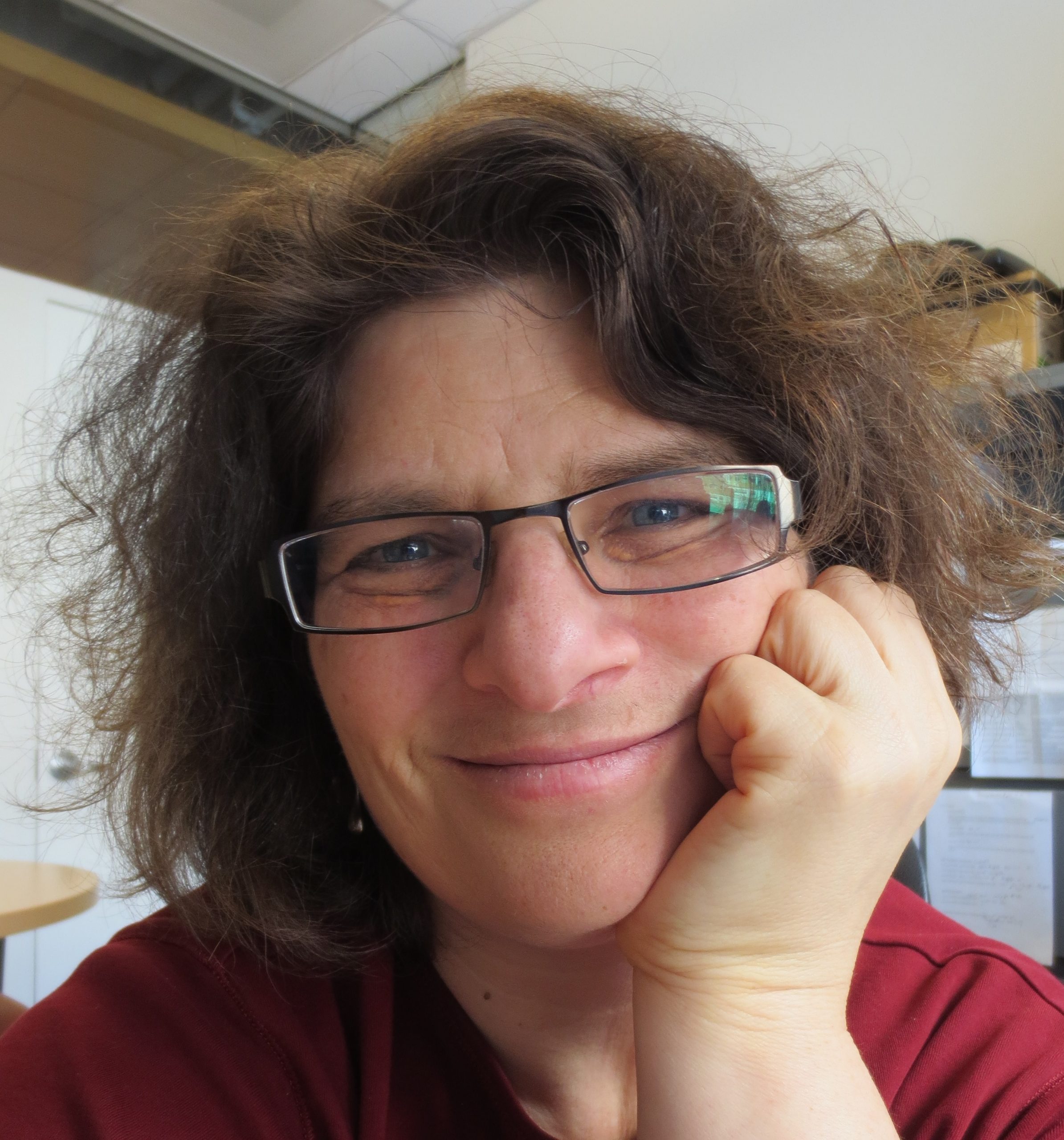
Daniela Verthelyi

Chief of the Immunology Lab in the Office of Pharmaceutical Quality Research
CDER, FDA

Innate Immune Response Modulating Impurities Testing as a component of immunogenicity risk assessments

Yvonne Ware

Associate Director, Manufacturing Operations
BioNTech SE

An overview of cGMP individualized peptide manufacturing for BNT221, an autologous neoantigen specific T cell product candidate for adoptive cell therapy of advanced or metastatic melanoma

Cary Potochnik

NAPP™ Team Lead
Polypeptide Group

Personalized Peptide Manufacture, a CMO approach
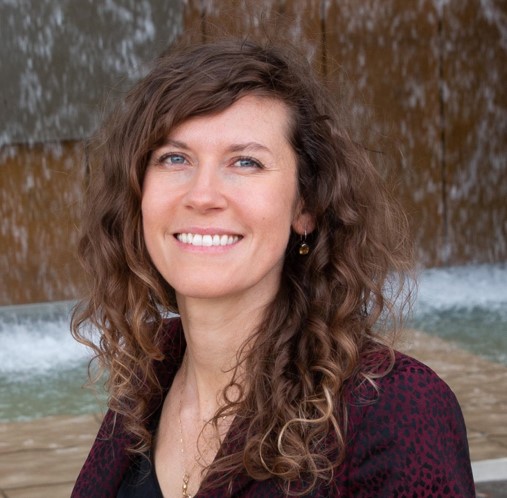
Jessica Kramer

Assistant Professor, Department of Biomedical Engineering
The University of Utah

Supramolecular Protein Stabilization with Zwitterionic Polypeptide-Cucurbit[7]uril Conjugates

Jakob Fuhrmann

Senior Principal Scientist
Genentech

Rational design and optimization of cell-permeable peptidic degraders

Maria Soloveychik

CEO
SyntheX

Developing a high throughput platform for the empirical discovery of molecular glues

Tyler Brown

Principal Scientist
i2O Therapeutics

Ionic Liquid Technology: Enabling the Oral Delivery of Peptides

John Gleeson

Senior Scientist, Biopharmaceutics
Merck

Delivering Oral Peptide Drugs: A Pediatric Perspective

Peter McNamara

Senior Vice President, Head of Research
Tectonic Therapeutic

Discovery of Therapeutic Antibodies that Target Specific GPCRs Using a Novel Discovery Platform

Sally Wang Liang

Senior Vice President Business Development
PepLib

Novel HTS-Compatible Peptide Discovery Platform for the Direct Identification of Functionally Active GPCR Ligands from Cell-based Screens
Yu-Shan Lin

Associate Professor
Tufts University

Structure Prediction of Cyclic Peptides via Molecular Dynamics + Machine Learning

Chris Bahl

Chief Scientific Officer and Co-founder
AI Proteins

De novo designed miniproteins have big potential for therapeutic development

Li Li

Principal Scientist
Merck Research Laboratories

Improving Oral Bioavailability of Poorly-Permeable Peptides
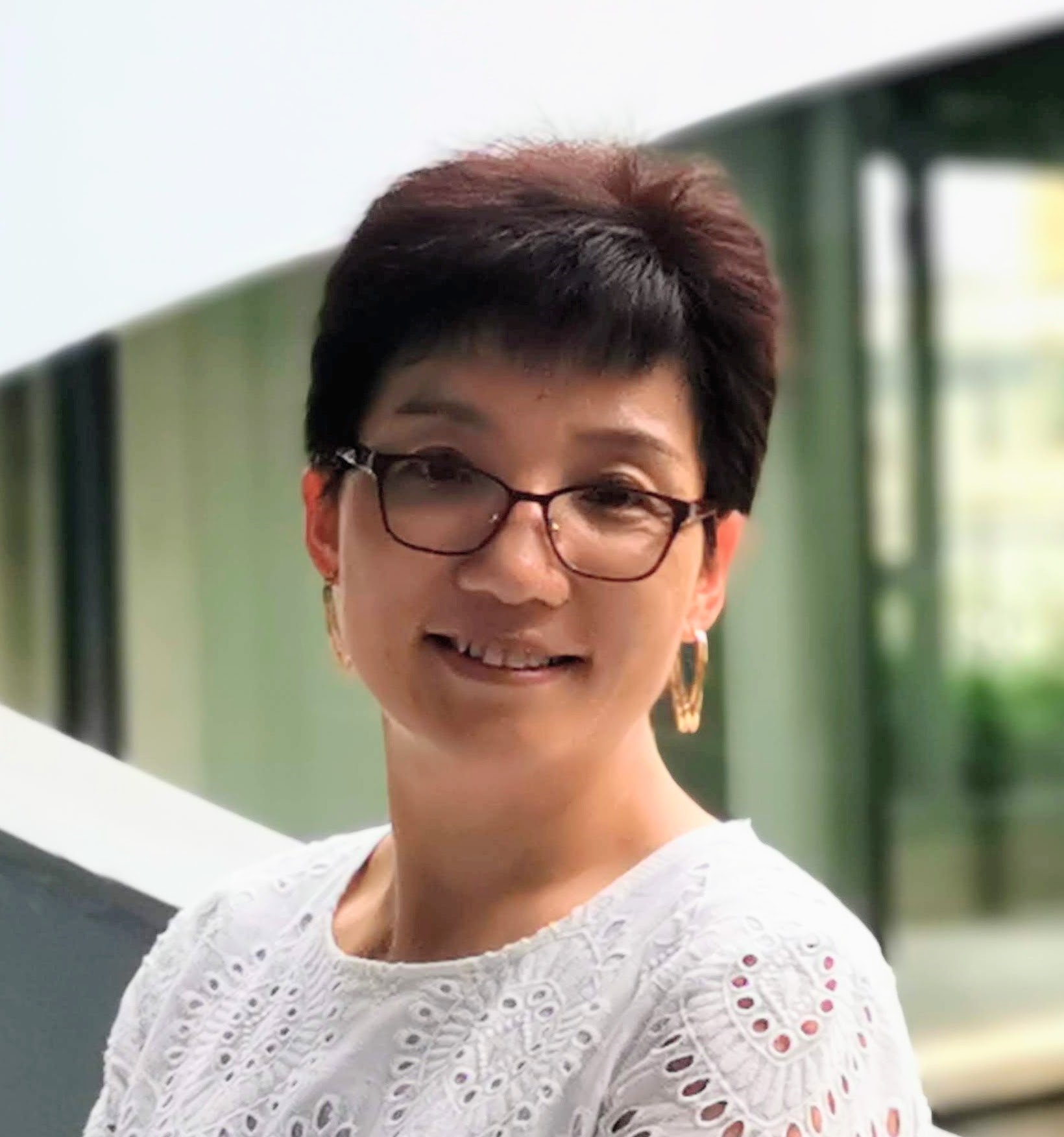
Chengwei Wu

Senior Scientist
Merck Research Laboratories

From mRNA Lead to Drug Candidate-Discovery of a Novel, Potent, and Orally Bioavailable, Tricyclic Peptide PCSK9 Inhibitor

John Mumm

Founder and CEO
Deka Biosciences

Blending Natural Biology to Design Personal Therapeutics

Gaurav Bhardwaj

Assistant Professor of Medicinal Chemistry
The University of Washington and the Institute for Protein Design

Computational peptide design for diverse structures and functions

Weijun Shen

Director, Metabolic Diseases
CALIBR at Scripps Research

A Peptide Engineering Platform for PEG-FA Stapled Long-Acting Peptide Hormones

Christian Heinis

Associate Professor
EPFL

Prolonging the Half-Life of Peptides Using an Engineered Albumin-Binding Peptide

Hiroaki Suga

Professor
University of Tokyo

Display of Pseudo-Natural Peptides and Product

Yana Reshetnyak

Professor
University of Rhode Island

Membrane-Inserting Peptides

Nazli Azimi

CEO
Bioniz

Peptide Modality: An Emerging Class of Multi-functional Cytokine Inhibitors

WATCH PAST VIRTUAL BPS


Nazli Azimi

CEO
Bioniz

Peptide Modality: An Emerging Class of Multi-functional Cytokine Inhibitors

No Entries Found

Want to Apply for Virtual BPS?

Information for BPS Presenters

The Boulder Peptide Foundation was established to further the science and knowledge of peptide technology to develop novel therapeutics, biomaterials, medical diagnostics and other beneficial uses for mankind. As part of this goal we run several programs to support career advancement, seminars and educational events. Join us on our mission to expand the applications of peptide science.

Information for BPS Presenters

The purpose of the Boulder Peptide Symposium is to encourage sharing of information related to peptide therapeutic development with an emphasis on the technical, scientific and regulatory aspects of the pharmaceutical development. Presentations that demonstrate original thinking or share experiences from case studies in product development shall receive priority over others.

The Boulder Peptide Symposium offers multiple opportunities for participants to present.

Oral Presentations in Scientific Sessions

The session topics for Scientific Program are Peptides in the Clinic, Drug Delivery, Chemistry of Complex Peptides, Spotlight on Discovery, and Peptide Showcase. Abstracts may be submitted via the Apply to Present page on the website. Submissions will be reviewed by the Scientific Advisory Board on a monthly basis and the speaker will be notified of a decision.

Presentation length: Format is 25-30 minutes slide presentation with 5-10 minutes for Q&A, with the exception of Peptide Showcase talks which are 10 minute slide presentations with 5 minutes for Q&A. Please confirm with your session chair to confirm the exact presentation length.

Invited Speakers: Speakers are requested to supply their presentation details 30 days after receiving an invitation to present.

Program Book Deadline: Final abstract and title must be provided no later than September 1st. No changes to the program are possible after this date.

Presentation Format: Oral presenters please provide your presentation slides to the A/V table on the day of your presentation.

Lodging: All speakers are requested to reserve their own room. Discount rates at the conference hotel are available until August 16th.

Registration: All speakers, excluding sponsored presentation speakers, receive a complimentary registration upon approval of the abstract.

Peptide Showcase Description

The Peptide Showcase is an opportunity for an individual or company to “showcase” new ideas, technology and pipeline assets. Priority shall be given to presentations from biotech and startup companies. Service providers and vendors are not eligible. Speakers in the session receive a complimentary event registration.

Posters

Posters can be presented on any topic relevant to peptides including original research, innovative products and technologies.

Eligibility- Any attendee (from academia, industry, biotech or vendor/sponsor) can present a poster. The presentation must contain original scientific thinking. To submit a poster go to the Submit a Poster link from the meeting menu. All submissions are reviewed on a rolling basis and will be notified of approval. September 1st is the last day to submit a poster abstract. Approved posters are published on the BPF website.

A 30 ” x 40″ board shall be provided with thumb tacks. Board will be on an easel and can be rotated for either landscape or portrait formats. Once you apply for a poster, you will get email confirmation that your poster was accepted. The poster session and number assignments will be emailed one week before the Symposium.

Poster boards shall be available for display from 8am to 8pm the day of your assigned poster session. See the program agenda for the poster session schedule.

Public Release

Every presentation at the Boulder Peptide Symposium is automatically recorded. Speakers are required to give consent for sharing of the presentation video with the peptide community.